
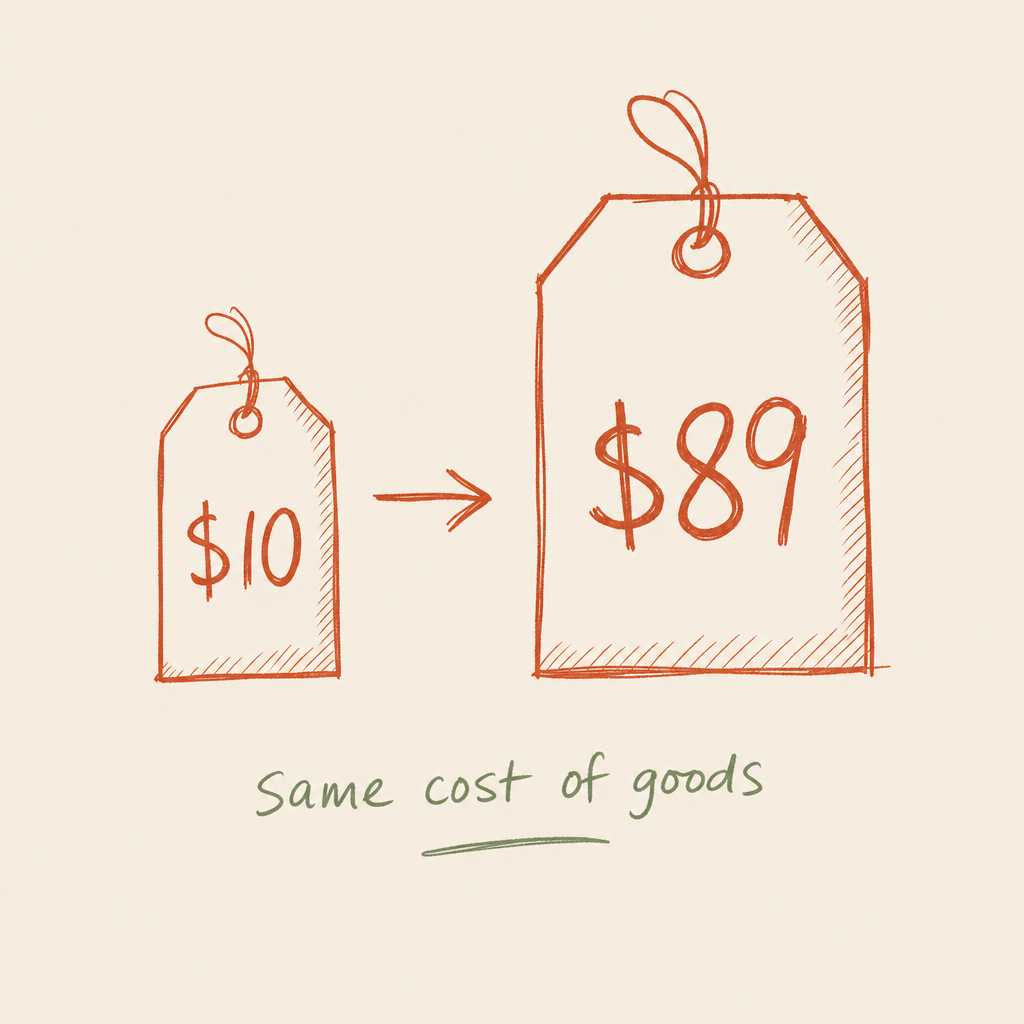
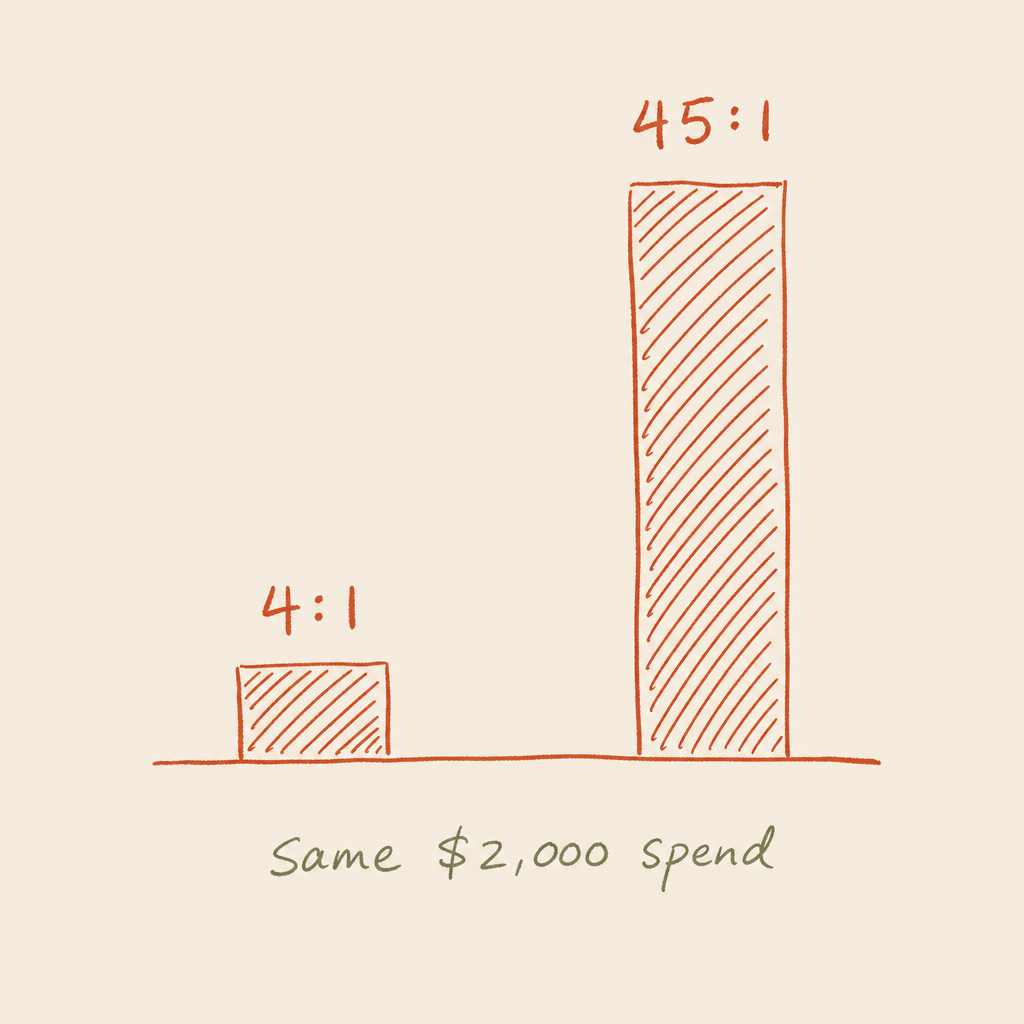


Most brands chase the wrong number on social. Comments, shares, saves, that warm little hit of engagement. Then the month ends, the engagement report looks great, and the sales report looks exactly like it did before they spent a cent. Authentic storytelling works, but only when the story has a job to do. A story that builds trust and then asks for the sale is marketing. A story that only builds trust is a hobby.
A like costs the customer nothing. A purchase costs them money. Build content that earns the second one.
Why "Authentic" Became a Trap
Somewhere along the way, "be authentic" turned into permission to post anything and call it strategy. Behind-the-scenes clips with no point. Team photos nobody asked for. A founder talking to camera about their why while the viewer scrolls past.
Authenticity is a tool, and a sharp one. The goal is to take a stranger who has never heard of you and walk them to a checkout. Genuine, unpolished content does that faster than corporate gloss for one simple reason: people trust people. That trust is worth real money, which means it should be spent on something. Content that builds trust and then never asks for anything is a bank account you keep depositing into and never draw from.
Open on Their Problem, Skip Your Origin Story
Nobody wakes up wanting to hear how your company was founded. They wake up with a problem. The first three seconds of every piece belong to that problem, and the last three tell the viewer what to do about it.
Say you sell double-glazing retrofits. The tempting post is a time-lapse of your install team with a caption about craftsmanship. The post that sells opens on a single-glazed bedroom window streaming with condensation at 7am, because half the houses in this country have one, then cuts to the same window after the retrofit, bone dry, with the winter power bill next to it. Same crew, same house, same honest footage. What changed is the order: their problem first, your product as the fix, and a clear next step at the end. Run that structure over anything you sell and the "authentic" footage you already have starts earning its keep.
Those first three seconds are also doing a quiet filtering job. A condensation-on-the-window open flags down the exact person who lives with that problem and lets everyone else scroll on, which is the point. Meta watches who leans in during the opening, then goes and finds more people like them, so a post built to stop the whole feed just teaches the platform to serve you people who'll never buy. Aim the opening at the buyer, and let the applause look after itself.
Put Real Customers on Screen
There's a hierarchy of who people believe. What you say about yourself counts least. What your customers say counts far more, and shaky phone footage of a real customer beats a brand-shot ad more often than anyone with a camera budget likes to admit. Reviews read aloud, unboxings, before-and-afters, screenshots of messages. Proof from someone with nothing to gain is the most persuasive content you will ever run, and most of it is sitting in your inbox for free.
We watched this carry an entire campaign. An excavator attachment manufacturer came to us with millions of dollars in stock sitting still and no direct sales channel. Their buyers are operators who've been burned by cheap gear before, so polished brand claims bounce straight off them. The content that moved the stock was simple: the attachments working on real sites, cut with comments from operators who already owned them, in their own words, backed by the objections the sales team heard every week. Ninety days later there was $1.2 million of qualified pipeline and more than 300 tracked prospects, from a standing start. The videos were plain, the proof was real, and that combination sold.
Treat the Comments as a Sales Floor
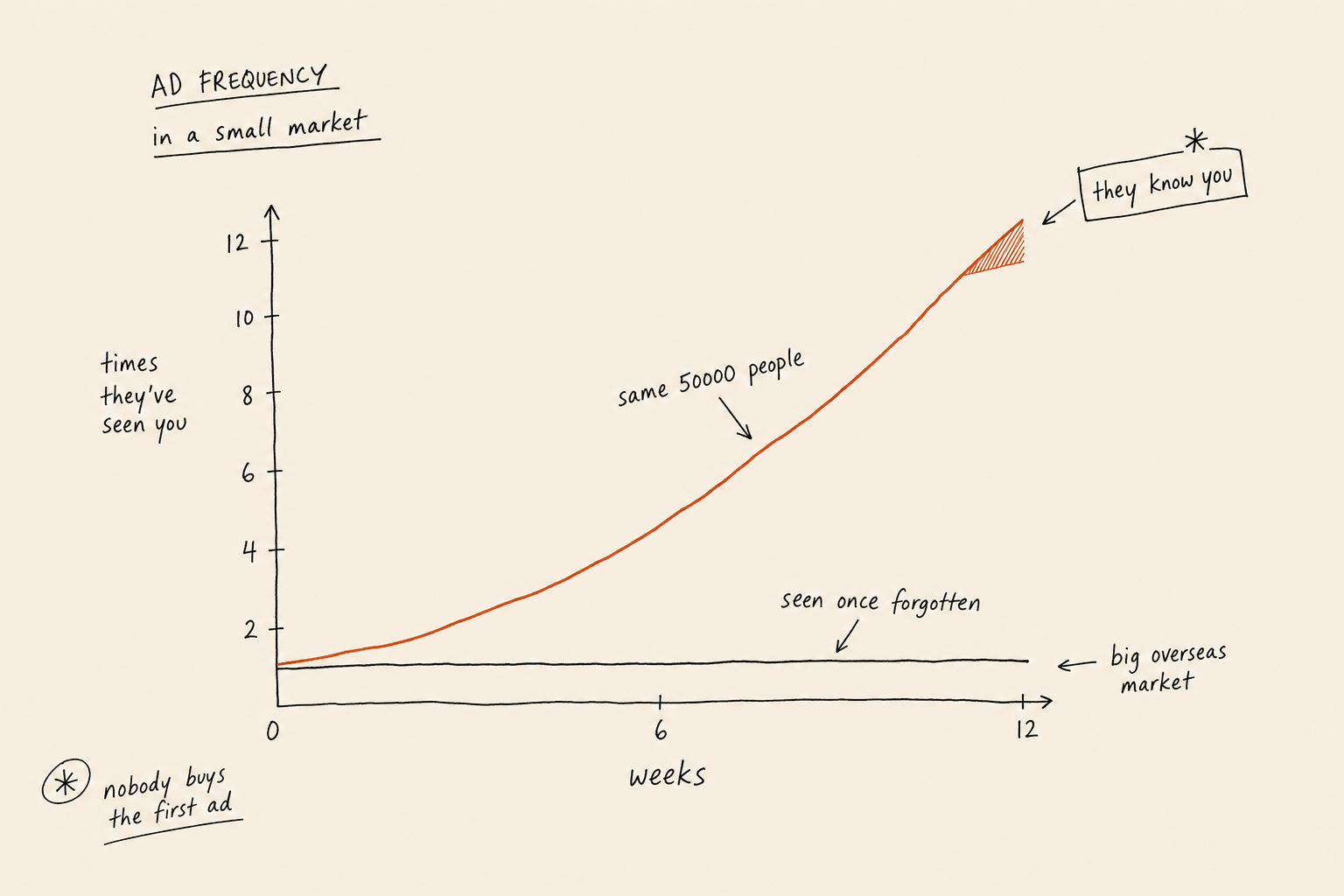
Here's where being in New Zealand changes the maths. This is a market of 5.3 million people. Strip that down to your actual buyers, homeowners in one region, operators of one class of machine, parents of under-fives, and your realistic audience on Meta might be 50,000 people. At normal spend you'll reach most of them within weeks, and then you'll reach them again. The same faces see your content month after month.
That cuts two ways. A brand selling into America can burn through an audience and go find a fresh one. You can't. But it also means every public comment reply is a sales conversation with a crowd watching, and here the crowd is a meaningful slice of your entire market. When someone asks "does it fit a 5-tonne digger" or "do you install in Rotorua", that's a buyer with their hand up. Answer fast, answer specifically, and link them to the exact page. In a country where everyone knows someone who knows you, a good public answer travels. So does a slow or cagey one. Small market, long memory: the reply you dash off in fifteen seconds is doing brand work for months.
Rotate the Story, Not the Audience
Here's the trap that same small audience sets. If every post makes the identical argument the identical way, you burn through those 50,000 people fast, then keep hitting the same faces with the same pitch until they stop seeing you at all. You can't conjure a bigger audience, so the lever you've got is more ways in. One product carries ten honest stories: a different problem this week, a different customer next week, the same digger attachment shot on a wet site and then a dusty one. Each fresh angle wakes up a slice of the market the last one talked straight past. Keep the voice and the promise locked. Change the door you walk them through.
Say the Same Thing Everywhere
Consistency has one job: removing doubt. Same voice, same look, same promise across the feed, the ads and the landing page. When a buyer who watched your reel clicks your ad three weeks later and lands on a page making the same promise word for word, the decision feels safe and the sale gets easier. When every touchpoint says something different, the buyer starts again from zero, and buyers who start from zero mostly leave. In an audience small enough that people genuinely remember your last post, the compounding works fast, in whichever direction you point it.
Measure the Thing That Pays the Bills
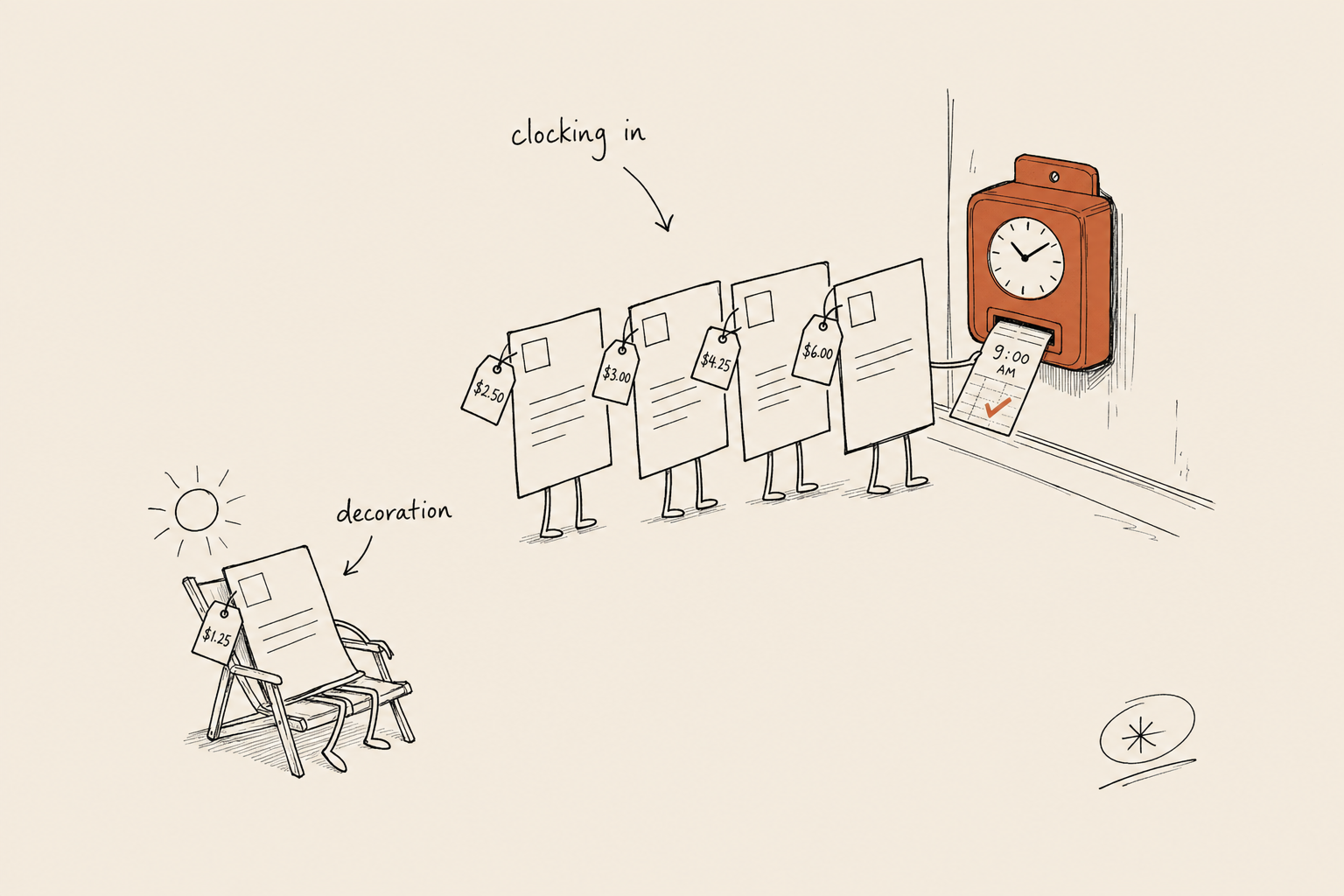
One test before anything goes live: if this post does brilliantly, does anyone buy anything? If the honest answer is no, you've made decoration. Run that test over your last ten posts and count how many pass. Most feeds we audit score two or three out of ten, which means most of the effort going into "content" is producing wallpaper.
Then act on the two or three that passed. Those winners are your brief for next month. Remake them: same story, a new hook, a different customer on camera, a fresh cut. A rough split that works is seven of every ten new posts remaking something that already sold, two fixing the near-misses, and one genuine swing at a new idea. The team gets sick of a winning post months before the market does, and new buyers show up every week who've never laid eyes on it. Let the sales data pick which stories you keep telling.
Tell genuine stories. Show real people, keep it human, stay unpolished where unpolished builds trust. Then give every post a job, point it at the sale, and track whether it pulled its weight. That's the difference between social media that fills a feed and social media that fills an order book.
This is exactly what our video creative and UGC production service exists for. We script the hooks, get real customers on camera, cut the clips, and match the whole thing to the page the click lands on. If your engagement looks great and your sales report looks the same as last quarter, send us your feed and your product. We'll show you which posts are pulling their weight and build the ones that will.